What is the state of the electric mobility market? Are there significant differences between Spain and Europe? What is needed for it to continue growing?
It is known by all that sustainability has become a concern and a priority for the vast majority of governments on the planet. One of the cornerstones of achieving this is the shift to a new form of sustainable transport – electric mobility – given that vehicle emissions account for 8% of total global emissions. To this end, it is essential that the electric mobility market continues to grow and strengthen year on year.
And this has been in the works for years, through government measures and social awareness campaigns, to bring about this change as soon as possible. And this past December, the electric mobility market situation changed, as for the first time in Europe, electric vehicle sales surpassed diesel vehicle sales. Therefore, the change in trend is already beginning to become a reality in the automotive sector.
The Electric Mobility Market in Spain.
The electric mobility market landscape in Spain doesn't quite measure up to the situation in our European neighbours, but it's not for lack of trying, as according to the latest survey by the European Federation for Transport and Environment 70% of Spaniards would be willing to pay more for a vehicle that produces little or no pollution.
For its part, our Government has set the goal of having 250,000 electric cars on our roads and 100,000 charging points by 2023. However, these ideas must be accompanied by stringent measures and the current barriers to entry must be removed, such as the charging point network, in order for the electric mobility market in Spain to continue to advance, as we are currently close to 10,000 charging points, meaning we are very far from the objective set for just one year from now.
For example, in Spain we have 4 times fewer charging points than in France and 5 times fewer than in Germany. In Spain there is one charging point for every 134 km of roads, while in France there is one for every 42 km and in Germany for every 25 km.
Therefore, it is necessary for the electric mobility market in Spain to continue advancing, and to this end, we must continue to innovate in all the technology and measures that encompass the electric vehicle.
Keys to the Electric Mobility Market.
The electric mobility market is made up of 4 key pillars that will be fundamental for it to continue having optimal growth and development in the coming years:
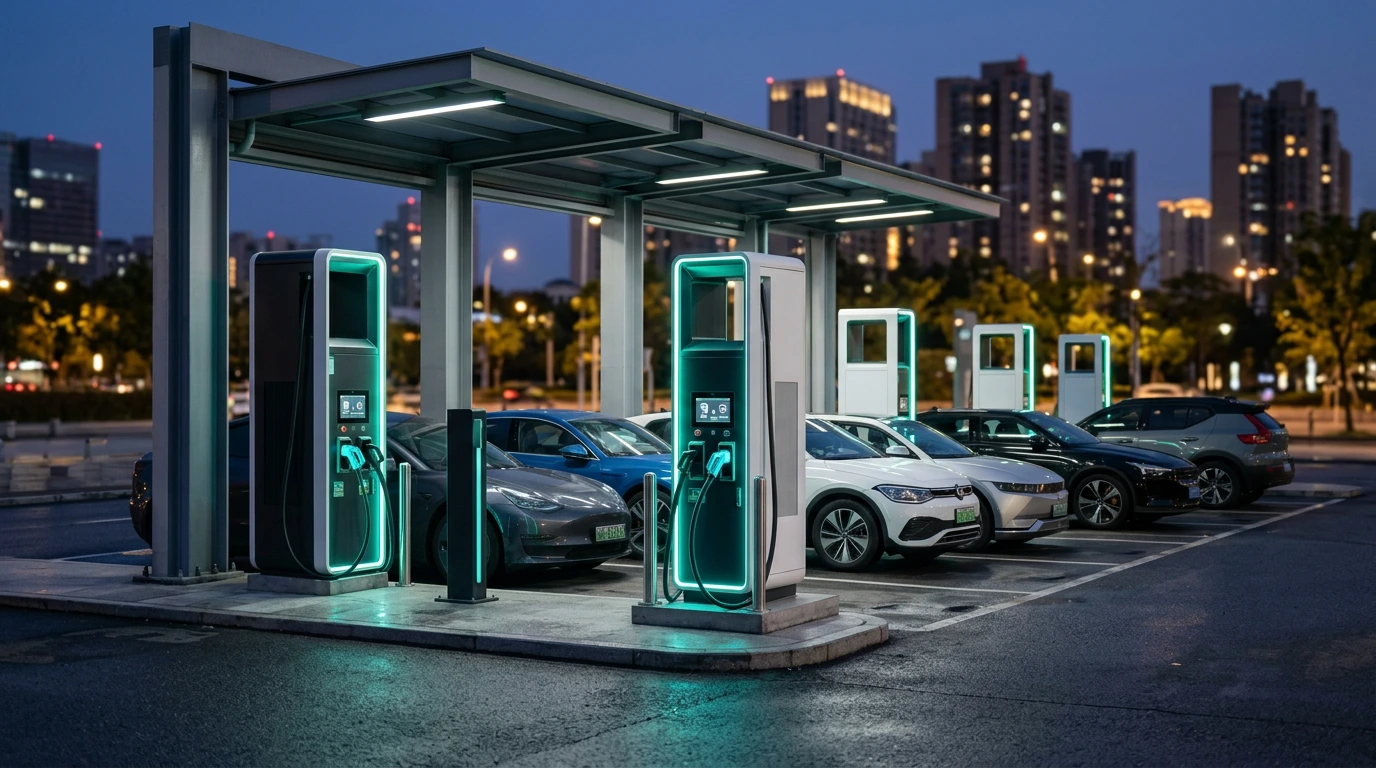
- Charging network To expand charging points with technological improvements and make them as accessible as petrol stations.
- Electric Batteries Its cost must be reduced to bring down the price of electric vehicles, and furthermore, for them to have a greater range to increase the kilometres they can travel without issues.
- Clean energy for batteries For everything to truly make sense, the electricity powering vehicles must originate sustainably from renewable energies, such as wind or solar.
- Administrative hurdles More facilities should be provided to grant licences for extending the network of charging points, and greater assistance for users to access electric vehicles.
What do we want to achieve at Activacar?
At Activacar, we are aware of the limitations of the electric mobility market today, and we strive to alleviate them so that more and more individuals and companies can enter this market.
We firmly believe that a new kind of mobility is possible, and if you believe it too and would like to take part in this new sustainable mobility, contact us and join the change.
Sources: Electrical information, Business Insider, The Energy Newspaper, Electric Mobility, AEDIVE.