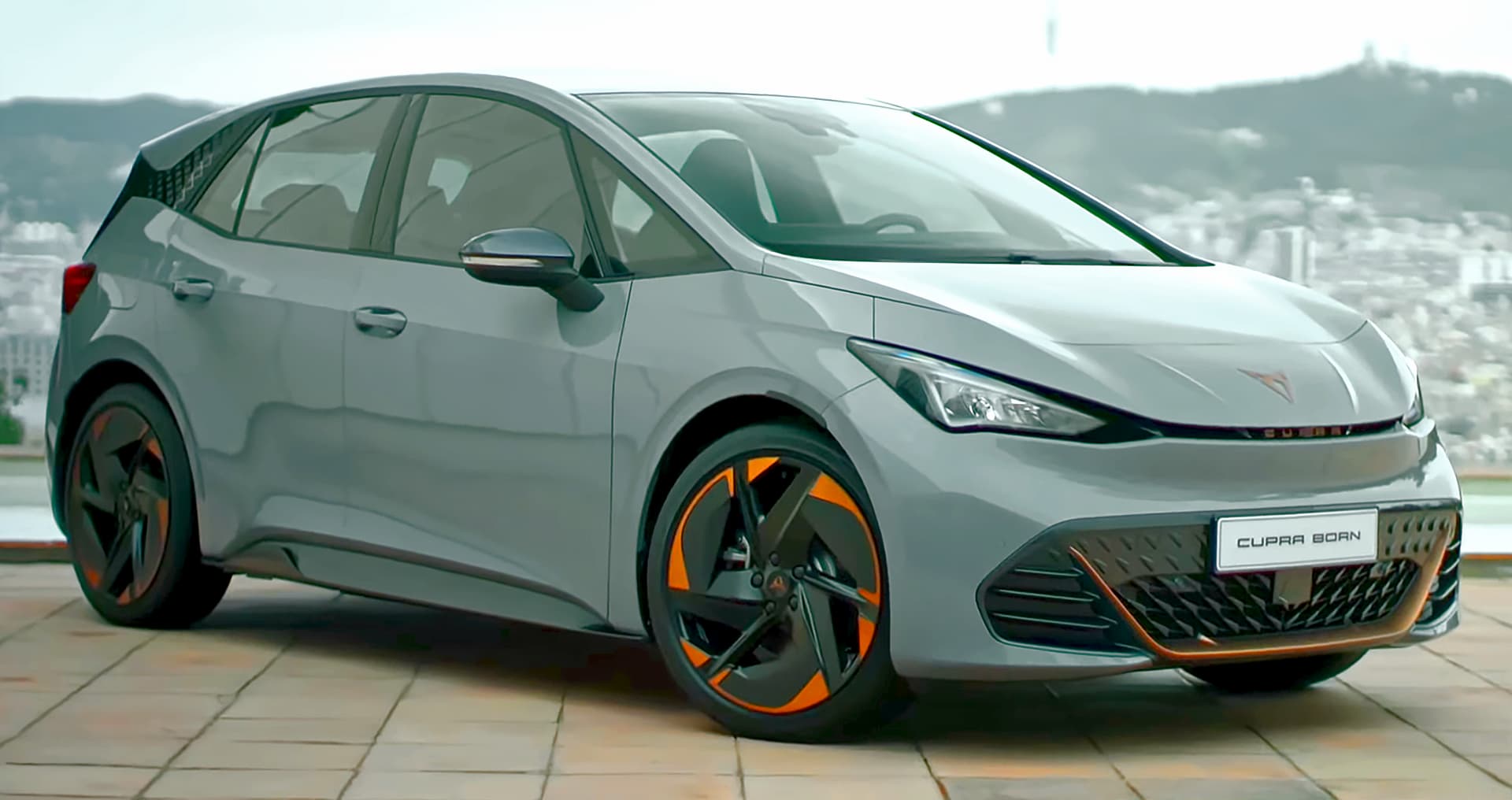
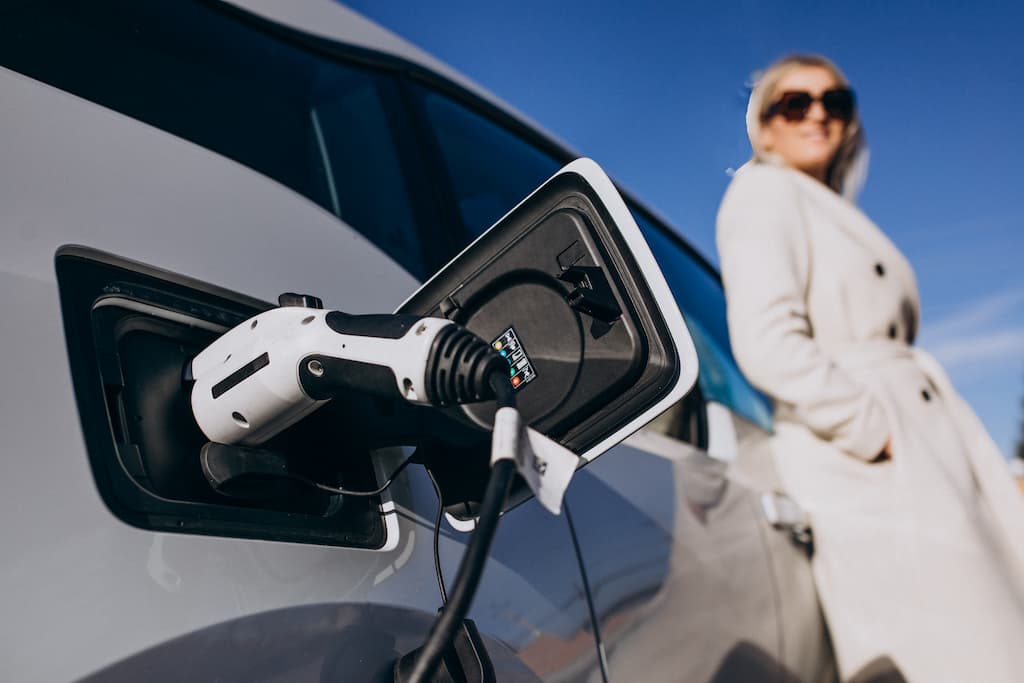
The Cheapest plug-in hybrid cars have become one of the best alternatives for drivers looking to reduce fuel costs without giving up the range provided by a combustion engine. Thanks to their dual powertrain, they allow most daily journeys to be completed in electric mode while still making it possible to travel long distances without relying exclusively on charging points.
In recent years, the range of plug-in hybrid vehicles (PHEVs) has grown considerably. Today, it is possible to find models priced below 30.000 €, making this technology accessible to more drivers who want to move towards more efficient and sustainable mobility.
But which is actually the cheapest plug-in hybrid car? What factors should you consider before buying one? Is it a better option than an electric or petrol car?
In this Activacar guide, you will find an up-to-date overview of the Spanish market, including a ranking of the most affordable models, their estimated prices, electric range and the key points to help you choose the one that best suits your driving needs.
What’s more, if you’re thinking about taking the plunge, it’s a good idea to consider from the outset the installation of a charging point to get the most out of the vehicle.
What is a plug-in hybrid car and why is demand increasing?
A plug-in hybrid car, also known as a PHEV (Plug-in Hybrid Electric Vehicle), combines a combustion engine with an electric motor powered by a battery that can be charged from an external power source.
Unlike a conventional hybrid, this type of vehicle can travel between 50 and 100 kilometres in fully electric mode, depending on the model. This means that many drivers can complete their daily journeys without using a single drop of petrol.
This technology offers a particularly attractive balance between efficiency and versatility:
- It allows everyday journeys to be completed in electric mode.
- It retains the range of a combustion-engine vehicle for long-distance travel.
- It significantly reduces fuel consumption when charged regularly.
- Most models qualify for the DGT Zero Emissions label, with the associated benefits in many Spanish cities.
For this reason, the cheapest plug-in hybrid cars are highly valued by drivers who want to make the transition to electrified mobility without switching completely to a fully electric vehicle.
Ranking of the cheapest plug-in hybrid cars in Spain in 2026
The following table includes all the models analysed in this guide, ordered from the lowest to the highest price. Prices are approximate and may vary depending on the version, promotions, financing options and commercial conditions offered by each manufacturer.
| Position | Model | Price from | Approximate electric range | Main strength |
|---|---|---|---|---|
| 1 | MG EHS Plug-in Hybrid | 27.440 € | Up to 52 km | Competitive entry price |
| 2 | Hyundai Ioniq Plug-in Hybrid | 29.500 € | Up to 52 km | Efficient energy consumption |
| 3 | Renault Captur E-Tech Plug-in | 29.800 € | Between 50 and 65 km | Good urban performance |
| 4 | Kia Ceed Tourer PHEV | 29.950 € | Around 50 km | Luggage capacity |
| 5 | BYD Seal U DM-i | 29.990 € | Up to 80 km | Impressive electric range |
| 6 | Opel Astra Plug-in Hybrid | 30.000 € | Between 60 and 67 km | Good balance between price and equipment |
| 7 | Peugeot 308 Hybrid | 30.200 € | Between 60 and 65 km | Design and efficiency |
| 8 | SEAT León eHybrid | 30.500 € | Between 60 and 64 km | Well-balanced for everyday use |
| 9 | Citroën C5 Aircross Hybrid | 30.900 € | Up to 55 km | Driving comfort |
| 10 | Ford Kuga Plug-in Hybrid | 31.000 € | Between 56 and 64 km | Family versatility |
| 11 | Toyota Prius Plug-in Hybrid | 31.500 € | Between 69 and 72 km | Hybrid efficiency |
| 12 | Skoda Octavia iV | 31.800 € | Around 60 km | Interior space |
| 13 | Volkswagen Golf eHybrid | 32.000 € | Between 60 and 70 km | Balance between performance and consumption |
| 14 | BMW 225e Active Tourer | 38.000 € | Between 80 and 87 km | Long electric range |
| 15 | Mercedes A 250e Class | 39.000 € | Between 70 and 75 km | Premium technology and finishes |
This comparison makes it easy to identify which model could be the cheapest plug-in hybrid car for your budget, but it also shows why price should not be the only factor to consider. A slightly more expensive model may be a better choice if it offers a longer electric range, more interior space or a configuration that is better suited to your usual journeys.
The 15 cheapest plug-in hybrid cars
Below is a more complete ranking of the models available in Spain, ordered from the highest to the lowest price.
15. Mercedes A 250e
- Price: from €39,000
- Electric range: 70-75 km
- Ideal for: drivers looking for a premium compact car with advanced technology and excellent urban performance.
14. BMW 225e Active Tourer
- Price: from €38,000
- Electric range: up to 87 km
- Main strength: one of the longest electric ranges in its segment.
13. Volkswagen Golf eHybrid
- Price: from €32,000
- Electric range: 60-70 km
- It stands out for: its balance between performance, efficiency and quality of finishes.
12. Skoda Octavia iV
- Price: from €31,800
- Electric range: around 60 km
- Main advantage: one of the benchmarks in hybrid efficiency.
11. Toyota Prius Plug-in Hybrid
- Price: from €31,500
- Electric range: 69-72 km
- Main advantage: one of the benchmarks in hybrid efficiency.
10. Ford Kuga Plug-in Hybrid
- Price: from 31.000 €
- Electric range: 56-64 km
- Ideal for: drivers looking for a comfortable SUV for family use and longer journeys.
9. Citroën C5 Aircross Hybrid
- Price: from €30,900
- Electric range: 55 km
- Key difference: excellent ride comfort and well-balanced suspension.
8. SEAT León eHybrid
- Price: from €30,500
- Electric range: 60-64 km
- Perfect for: drivers looking for a versatile and efficient compact car.
7. Peugeot 308 Hybrid
- Price: from €30,200
- Electric range: 60-65 km
- Main strength: modern design, good efficiency and comfortable driving.
6. Opel Astra Plug-in Hybrid
- Price: from 30.000 €
- Electric range: 60-67 km
- Main strength: good balance between price, equipment and efficiency.
5. BYD Seal U DM-i
- Price: desde 29.990 €
- Electric range: hasta 80 km
- Main strength: one of the longest electric ranges among the most affordable models.
4. Kia Ceed Tourer PHEV
- Price: desde 29.950 €
- Electric range: around 50 km
- Main strength: spacious interior and generous luggage capacity.
3. Renault Captur E-Tech Plug-in
- Price: desde 29.800 €
- Electric range: 50-65 km
- Main strength: spacious interior and generous luggage capacity.
2. Hyundai Ioniq Plug-in Hybrid
- Price: desde 29.500 €
- Electric range: up to 52 km
- Main strength: compact size and good urban performance.
1. MG EHS Plug-in Hybrid
- Price: desde 27.440 €
- Electric range: up to 52 km
- Main strength: one of the cheapest plug-in hybrid cars in this comparison.
How do I choose the right model for my needs?
What should you bear in mind before buying a plug-in hybrid?
Choosing one of the cheapest plug-in hybrid cars does not necessarily mean making the best purchase. The real savings will depend on how you use the vehicle and whether you make full use of its electric system.
Before choosing a model, it is worth considering the following aspects:
Electric range
Electric range is one of the most important factors. Most plug-in hybrid vehicles currently offer between 50 and 80 kilometres of electric range, which is enough to cover the daily journeys of many drivers.
If you use the car to commute to work, go shopping or travel around the city, you will probably be able to complete these journeys without using any fuel.
Charging frequency
If you use the car to commute to work, go shopping or travel around the city, you will probably be able to complete these journeys without using any fuel.
If you can charge the vehicle every night, you will significantly reduce petrol consumption and benefit from all the advantages of the hybrid system. However, if you rarely charge the battery, the car will operate mainly using the combustion engine and the savings will be much lower.
For this reason, more and more drivers choose an EV chargers installation that allows them to charge the vehicle conveniently and safely at home or at their business premises.
Type of journey
Not all models are equally suitable for every driver.
If you mainly make urban journeys, a vehicle with a good electric range will be particularly important. However, if you cover many kilometres on the road, it may be more suitable to choose a model that combines a larger battery with an efficient combustion engine.
Choosing the right vehicle based on your usual driving habits will allow you to recover your investment sooner.
Running costs
Beyond the purchase price, it is also important to consider how much the vehicle will cost to use on a daily basis.
When a plug-in hybrid is charged regularly, the cost per kilometre can be significantly lower than that of a petrol or diesel car. Maintenance costs are also generally lower thanks to reduced wear on components such as the brakes, as the vehicle makes use of regenerative braking.
How do you choose the right model for your needs?
There is no single cheapest plug-in hybrid car that is perfect for everyone. The best choice will depend on your daily needs.
If you mainly drive in the city
Urban journeys are the ideal scenario for making the most of a plug-in hybrid. In these situations, the battery allows you to drive many kilometres without using petrol, reducing both fuel consumption and emissions.
Models such as the Renault Captur E-Tech Plug-in, the Hyundai Ioniq Plug-in Hybrid and the MG EHS Plug-in Hybrid stand out particularly for this type of use.
If you travel frequently
Drivers who regularly make long journeys will find good options in models with longer electric ranges and efficient combustion engines, such as the BYD Seal U DM-i, the BMW 225e Active Tourer and the Mercedes A 250e Class.
These vehicles make it possible to enjoy electric driving in everyday use without giving up the ability to cover long distances when necessary.
If you need space for the family
For families or drivers looking for greater luggage capacity, options such as the Kia Ceed Tourer PHEV, the Ford Kuga Plug-in Hybrid and the Skoda Octavia iV offer an excellent balance between interior space, efficiency and comfort.
The importance of having a charging point
Buying one of the cheapest plug-in hybrid cars is only the first step. To achieve the greatest possible savings, it is essential to make charging part of your daily routine.
Charging an electric car at home is as simple as charging a mobile phone: you arrive, plug in the vehicle and the next day the battery is ready to go.
If you live in a detached or semi-detached house, the best option is to install an electric car charger at home, as this will provide convenient, fast charging adapted to your schedule.
Plug-in hybrid vs electric vs petrol: which option is more suitable?
One of the most common questions among drivers looking for a new vehicle is whether it is worth choosing a plug-in hybrid or switching directly to an electric car. The answer will mainly depend on how you plan to use it.
| Type of vehicle | Advantages | Disadvantages |
|---|---|---|
| Híbrido enchufable (PHEV) | Allows you to drive in electric mode and make long journeys without worrying about range. | The battery must be charged frequently to achieve the greatest savings. |
| Electric | Very low running costs, zero tailpipe emissions and simpler maintenance. | Requires charging to be planned on long journeys and access to charging points. |
| Gasolina | In some cases, a lower purchase price and an extensive refuelling network. | Higher fuel consumption, more emissions and greater long-term running costs. |
For many drivers, the cheapest plug-in hybrid cars represent the ideal intermediate step towards electric mobility. They make it possible to complete daily journeys without using fuel while retaining the reassurance of a combustion engine for longer trips.
How much fuel does a plug-in hybrid use?
The fuel consumption of a plug-in hybrid depends directly on how frequently the battery is charged and the type of journeys made.
When the vehicle is driven in electric mode, the cost per 100 kilometres can be significantly lower than that of a petrol car, especially when charging at home during cheaper off-peak electricity periods.
However, when the battery is depleted and the vehicle operates solely using the combustion engine, fuel consumption is usually between 4 and 6 litres per 100 kilometres, depending on the model and driving style.
Therefore, the more frequently you use electric mode, the greater the savings in both fuel and emissions.
How much can you really save?
The savings offered by a plug-in hybrid do not depend solely on the price of the vehicle, but also on your driving habits.
For example, a driver who covers around 40 kilometres per day and charges the car every night will be able to complete most journeys using only the battery. This can result in significant annual fuel savings compared with a conventional vehicle.
However, if the vehicle is rarely charged, the combustion engine will do most of the work and the difference in fuel consumption will be much smaller.
In other words, the key to saving is not simply buying one of the cheapest plug-in hybrid cars, but making proper use of its technology.
Conclusion: real savings begin with convenient charging
The cheapest plug-in hybrid cars offer an excellent combination of efficiency, range and versatility. They are an ideal alternative for drivers who want to reduce fuel consumption and begin their transition towards more sustainable mobility without giving up the reassurance of a combustion engine.
However, to make the most of all their advantages, it is essential to include charging in your daily routine. Having your own charging point not only improves convenience, but also helps reduce the cost of every kilometre travelled and allows you to get the most out of the vehicle.
At Activacar, we specialise in charging solutions for private customers, residential communities and businesses. If you are considering buying a plug-in hybrid or an electric vehicle, we can help you find the charging solution that best suits your needs.
Contact our team and discover how to start saving from day one with a safe, efficient charging installation adapted to your home or business.
Frequently asked questions about the cheapest plug-in hybrid cars
What is the cheapest plug-in hybrid car currently?
Currently, the MG EHS Plug-in Hybrid is one of the cheapest plug-in hybrid cars available on the Spanish market, with a starting price of around €27,440, although this may vary depending on promotions and commercial campaigns.
What is the electric range of a plug-in hybrid car?
Electric range depends on the model, but most current plug-in hybrid vehicles offer between 50 and 80 kilometres in fully electric mode.
Is buying a plug-in hybrid worth it?
Yes, especially if you can charge the battery frequently. The more you use electric mode, the greater the fuel savings and the lower the emissions while driving.
Is it compulsory to install a charging point?
No, it is not compulsory, but it is highly recommended. Having a charging point at home or in a communal garage allows you to make the most of a plug-in hybrid and significantly reduce its running costs.
What environmental label does a plug-in hybrid have?
Most plug-in hybrids currently on the market qualify for the DGT Zero Emissions sticker, allowing access to low-emission zones and other mobility benefits, provided they meet the requirements established by current regulations.