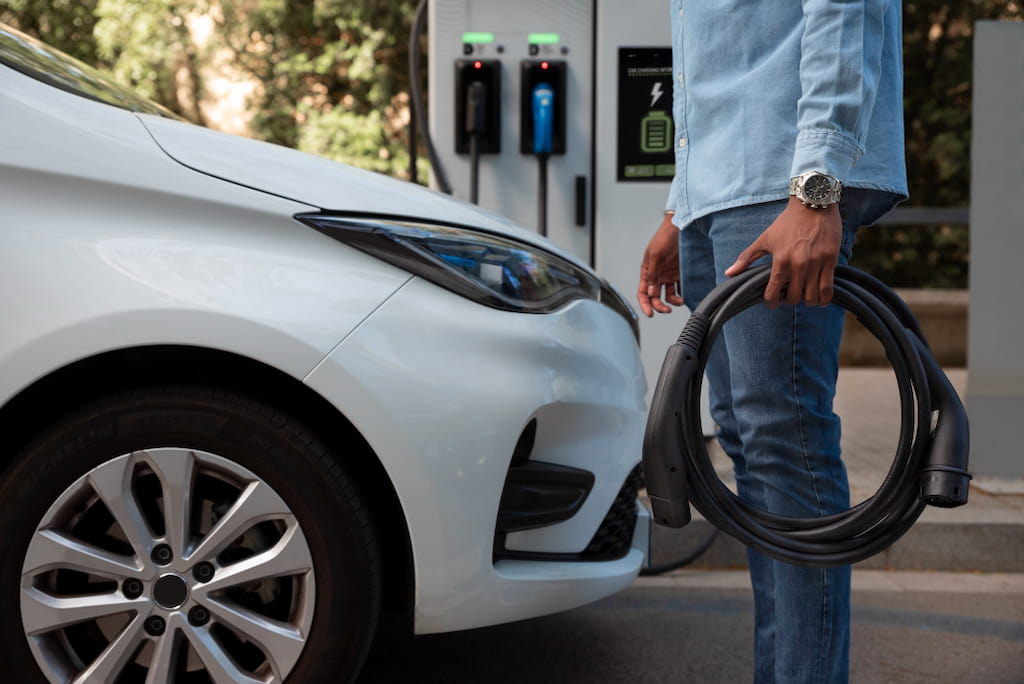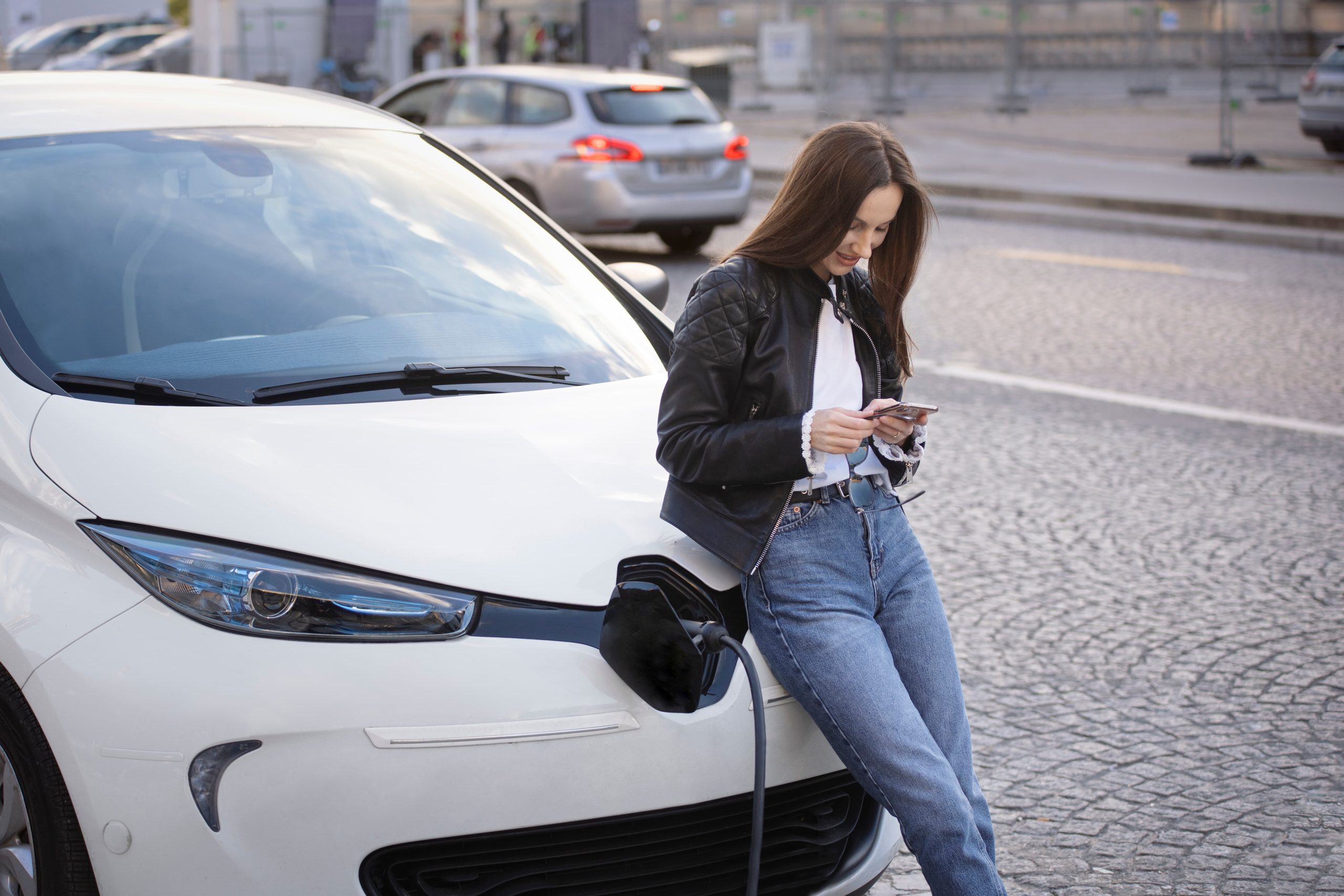
Los mejores coches eléctricos pequeños son los que encajan con tu aparcamiento, tus trayectos y tus necesidades de espacio. Para un uso principalmente urbano, puedes empezar comparando Leapmotor T03, Fiat 500e, Dacia Spring o Hyundai Inster. Si también haces carretera, Renault 5 E-Tech, Peugeot e-208 y Opel Corsa Electric ofrecen versiones con más autonomía homologada.
Esta guía compara doce coches eléctricos pequeños por tamaño, versión y autonomía, y explica qué revisar antes de comprar. No existe un ganador válido para todos: un vehículo muy corto puede facilitar el aparcamiento, mientras que un utilitario algo mayor puede ofrecer una distribución interior más adecuada para tu familia.
Revisado el 13 de octubre de 2026. Datos contrastados con fichas, catálogos y páginas oficiales de los fabricantes. Las autonomías son máximos de ciclo WLTP combinado para las versiones indicadas; pueden variar por acabado, ruedas y homologación. Las medidas corresponden a los modelos descritos, no necesariamente a todas sus carrocerías o futuras generaciones. Confirma configuración y disponibilidad de entrega antes de cerrar la compra.
Comparativa de los mejores coches eléctricos pequeños en 2026
Para que resulte más fácil comparar, separamos los urbanos más cortos, los utilitarios y las propuestas deportivas. Las tablas no son un ranking de calidad ni ordenan los modelos por precio: dentro de cada grupo, están ordenados por longitud.
La autonomía corresponde a una versión de referencia, no al modelo básico por defecto. Tampoco significa que todos puedan recorrer esa distancia en autopista o en invierno. No asociamos el precio de una oferta de acceso con la batería de una versión superior.
| Model | Length | Versión de referencia | Hasta WLTP combinado |
|---|---|---|---|
| Leapmotor T03 | 3,620 m | 37,3 kWh | 265 km |
| Fiat 500e | 3,632 m | Berlina de 42 kWh | 320 km |
| Dacia Spring | 3,701 m | Gama 2026, 24,3 kWh | 225 km |
| Hyundai Inster | 3,825 m | 49 kWh, según acabado | 370 km |
| MINI Cooper eléctrico | 3,858 m | Cooper SE | 402 km |
| Model | Length | Versión de referencia | Hasta WLTP combinado |
|---|---|---|---|
| Renault 5 E-Tech | 3,922 m | Evolution confort, 52 kWh | 430 km |
| BYD Dolphin Surf | 3,990 m | Boost, 43,2 kWh | 322 km |
| Citroën ë-C3 | 4,015 m | Autonomía confort, 44 kWh | 320 km |
| Peugeot e-208 | 4,055 m | Eléctrico 156 CV | 433 km |
| Opel Corsa Electric | 4,061 m | Eléctrico 156 CV | 429 km |
| Model | Length | Versión de referencia | Hasta WLTP combinado |
|---|---|---|---|
| Abarth 500e | 3,673 m | Berlina, 42 kWh; según acabado | 265 km |
| Alpine A290 | 3,997 m | 52 kWh; según versión y ruedas | 380 km |
Cómo leer las tablas: Inster Cross puede tener medidas distintas al Inster convencional; las carrocerías y acabados del 500e también cambian sus cifras de autonomía. MINI Cooper E y SE llevan configuraciones diferentes. En el Spring se toma como referencia la gama 2026 de 3,701 metros, por lo que conviene comprobar la generación concreta si comparas vehículos de stock o un nuevo anuncio.
¿Qué coche eléctrico pequeño elegir según tu uso?
Ciudad y plazas de aparcamiento pequeñas
Empieza por T03, 500e, Spring e Inster si tu prioridad es reducir el tamaño exterior. Además de la longitud, revisa la anchura con retrovisores, el giro y cuánto espacio necesitas para abrir las puertas. Un coche corto puede seguir siendo incómodo en una plaza situada entre columnas.
Como referencia, Hyundai publica una anchura de carrocería de 1,610 metros para el Inster convencional; Alpine indica 1,823 metros sin retrovisores para el A290. Ambos caben en la categoría de eléctricos pequeños, pero esa diferencia puede ser relevante al entrar o salir del coche. Comprueba también la anchura total con los retrovisores en la ficha del vehículo que vayas a comprar.
Ciudad, carretera y escapadas
Si vas a utilizarlo como coche principal, compara Renault 5 con batería de autonomía confort, e-208 de 156 CV, Corsa Electric de 156 CV y MINI Cooper SE. Son versiones de los modelos de esta selección que publican autonomías combinadas alrededor de 400 km o superiores.
Para los viajes, mira también cómo carga el vehículo, la disponibilidad de estaciones en tu ruta y el margen que quieres mantener al llegar. La autonomía máxima no sustituye la planificación de recarga. Prueba comodidad, posición de conducción y espacio trasero antes de decidir.
Familia, equipaje o acceso a las plazas traseras
Las cinco puertas y la forma del habitáculo pueden pesar más que unos centímetros de longitud. Compara Renault 5, ë-C3, Dolphin Surf e Inster con los pasajeros y objetos que transportas habitualmente. Verifica el número de plazas homologadas de la versión: un modelo pequeño no tiene necesariamente cinco.
En el maletero, compara con el mismo criterio de medición. Renault, por ejemplo, publica para el R5 326 litros y 277 dm³ VDA: son mediciones diferentes del mismo espacio. No conviene enfrentar una cifra hasta el techo con otra bajo bandeja y declarar un ganador. Llevar el carrito, las maletas o el equipo que utilizas es una comprobación más útil.
Diseño y enfoque deportivo
MINI Cooper, Abarth 500e y Alpine A290 pueden entrar en tu comparación si valoras especialmente diseño o carácter de conducción. En los deportivos, comprueba cómo afectan las ruedas y el acabado a la autonomía y al precio final. Su tamaño contenido no significa que tengan el coste de una versión urbana de acceso.
Los doce modelos: qué ofrece cada uno y qué revisar
1. Renault 5 E-Tech: utilitario para un uso variado
Su longitud queda por debajo de cuatro metros y tiene cinco puertas. La página oficial de motorizaciones consultada anuncia hasta 430 km WLTP en Evolution autonomía confort de 52 kWh; otras baterías y acabados ofrecen cifras distintas. Si el presupuesto te lleva a una versión de acceso, revisa su equipamiento de carga antes de trasladarle las prestaciones de la gama superior.
2. Citroën ë-C3: espacio y acceso en un utilitario
Con algo más de cuatro metros, ofrece un planteamiento distinto al de los urbanos más cortos. La versión de autonomía confort anuncia hasta 320 km WLTP. Compara el acceso a las plazas, la posición de conducción y el espacio útil, y verifica si la oferta que recibes corresponde a esa batería o a otra configuración de menor alcance.
3. Dacia Spring: tamaño contenido para el día a día
La gama Spring 2026 de esta comparativa mide 3,701 metros y utiliza una batería de 24,3 kWh con hasta 225 km WLTP. Puede formar parte de la lista para desplazamientos urbanos habituales. Antes de comprar, comprueba la versión, las funciones de carga incluidas y si tus recorridos por carretera encajan con sus prestaciones.
4. BYD Dolphin Surf: distinguir Active, Boost y Comfort
El Dolphin Surf mide 3,990 metros. La versión Boost, con batería de 43,2 kWh, anuncia hasta 322 km en ciclo combinado; no es la misma cifra que la de Active ni la de Comfort. El fabricante publica 308 litros de maletero. Comprueba también las plazas y el equipamiento de la unidad, especialmente al comparar stock con versiones actualizadas.
5. Hyundai Inster: pequeño y con interior configurable
El Inster convencional mide 3,825 metros. Hyundai anuncia hasta 370 km WLTP con batería de 49 kWh, mientras que la configuración de 42 kWh tiene otra autonomía. Sus asientos traseros deslizantes permiten ajustar el reparto entre piernas y equipaje; comprueba el espacio con la banqueta en la posición en la que realmente viajarías.
6. Fiat 500e: un urbano corto con varias carrocerías
Sus 3,632 metros de longitud lo sitúan entre los más cortos de la selección. El máximo de 320 km anunciado para la gama corresponde a configuraciones de batería grande; las de menor batería y las carrocerías Cabrio o 3+1 tienen valores distintos. Revisa el acceso trasero y si la capacidad del maletero cubre tu uso habitual.
7. MINI Cooper eléctrico: E y SE no son equivalentes
El Cooper eléctrico de tres puertas mide 3,858 metros. La web oficial diferencia el Cooper E, con hasta 305 km WLTP, del SE, que anuncia hasta 402 km. Compara ambas versiones por presupuesto, autonomía y equipamiento; también merece la pena probar el acceso a la segunda fila si va a utilizarse con frecuencia.
8. Peugeot e-208: autonomía en un formato utilitario
El e-208 convencional mide 4,055 metros. La documentación actual distingue el eléctrico de 136 CV del de 156 CV; este último publica hasta 433 km WLTP según configuración. Antes de elegir, prueba la visibilidad del cuadro desde tu posición de conducción y comprueba la homologación exacta de la versión ofertada.
9. Opel Corsa Electric: comparar motor y batería
Sus 4,061 metros lo sitúan muy cerca del e-208 en longitud. La página de Opel consultada anuncia hasta 429 km WLTP para el eléctrico de 156 CV, según equipamiento y neumáticos. Las cifras de otras motorizaciones o unidades de stock pueden ser diferentes: pide la ficha de la configuración concreta.
10. Abarth 500e: enfoque deportivo en menos de 3,70 metros
La carrocería de la berlina mide aproximadamente 3,673 metros. La autonomía anunciada llega hasta 265 km, con diferencias por acabado y carrocería. Compara su propuesta con la del Fiat 500e desde tus prioridades: prestaciones, equipamiento y consumo tienen más peso aquí que buscar exclusivamente el menor coste de movilidad.
11. Alpine A290: deportivo de cinco puertas
El A290 mide 3,997 metros y ofrece hasta 380 km WLTP con batería de 52 kWh, según versión y configuración. Su anchura merece atención si aparcas en un garaje estrecho. El fabricante también distingue el volumen de maletero según el equipo de audio instalado, por lo que conviene mirar el acabado completo.
12. Leapmotor T03: de los más cortos de esta selección
El T03 tiene unos 3,62 metros de longitud y anuncia hasta 265 km WLTP con batería de 37,3 kWh. Puede servir como punto de partida para comparar urbanos de tamaño reducido. Comprueba el servicio de asistencia disponible en tu zona y las condiciones de garantía y entrega, sin asumir que el tamaño o el precio resuelven por sí solos esas cuestiones.
Qué revisar antes de comprar: aparcamiento, autonomía y precio
Mide el garaje. Anota el hueco útil entre obstáculos, la entrada y la zona de maniobra. Deja espacio para abrir puertas, acceder al maletero y conectar el cable de carga. La toma del coche puede estar en una zona que complique el recorrido del cable aunque el vehículo quepa bien.
Calcula tu uso habitual. Distingue el trayecto diario del viaje ocasional. La autonomía real depende de velocidad, temperatura, relieve, carga y climatización. No hay una cifra de kilómetros que resulte suficiente para todo el mundo.
Compara presupuestos equivalentes. Pide precio al contado y coste total financiado de la misma versión. Separa descuentos, intereses, ayudas, entrega de vehículo usado, impuestos y gastos excluidos. Una oferta con financiación y ayudas no debe presentarse como el precio general del modelo.
Revisa la recarga. Comprueba límite de carga en corriente alterna, carga rápida disponible y equipamiento incluido. La potencia del cargador, la que admite el coche y la disponible en la instalación son distintas. Un cargador de más potencia no garantiza que el vehículo cargue más rápido.
¿Tu próximo eléctrico cabe en el garaje, pero no sabes dónde colocar el cargador? You can consultar qué solución de recarga encaja en tu plaza de garaje antes de decidir el vehículo.
El siguiente paso: cargar tu coche eléctrico donde aparcas
Para el uso diario, estudiar cómo vas a cargar ayuda a completar la elección. Si puedes install an electric car charger at home, revisa el suministro existente, el recorrido del cableado y los consumos que coincidirán con la carga. La comodidad y el coste dependerán de tu instalación y de tu contrato eléctrico.
Una electric car charging point installation debe adaptarse a la vivienda, a la empresa o al lugar donde permanece el vehículo. En un edificio residencial, si necesitas electric car charger in a communal garage, conviene estudiar el recorrido, la alimentación y las gestiones aplicables a ese garaje.
Ejemplo de coste, no una tarifa de mercado: si un coche consume 15 kWh/100 km y compras la energía a 0,20 €/kWh, el coste de esa energía sería 3 €/100 km. A 0,30 €/kWh serían 4,50 €/100 km. El ejemplo no incorpora pérdidas de recarga, costes fijos ni otros conceptos del contrato; el resultado real depende de tu factura y tu consumo.
Dimensionar la carga según los kilómetros que necesitas recuperar y el tiempo de aparcamiento permite elegir con más criterio. En algunos casos será útil gestionar la potencia de forma dinámica; en otros, la prioridad estará en el recorrido o en preparar varios puntos futuros.
Preguntas frecuentes sobre coches eléctricos pequeños
What is the best small electric car in 2026?
Depende de tu uso. Empieza por los urbanos más cortos si prima el aparcamiento, por utilitarios con más autonomía si haces carretera y por cinco puertas si necesitas acceso frecuente a la segunda fila. Compara siempre la versión concreta.
¿Qué coches eléctricos de esta selección miden menos de cuatro metros?
T03, Fiat 500e, Abarth 500e, Spring de la gama descrita, Inster convencional, MINI Cooper eléctrico, Renault 5, Dolphin Surf y Alpine A290. Comprueba la generación y carrocería, además de la anchura y los retrovisores.
Which small electric car has the longest range?
Entre las versiones de referencia de estas tablas, el Peugeot e-208 de 156 CV anuncia el máximo más alto. No es una clasificación de todos los eléctricos del mercado ni una prueba de autonomía real; configuración y homologación pueden cambiar el resultado.
¿Puedo comparar directamente los litros de maletero?
Solo si coinciden método de medición y posición de los asientos. Revisa si la cifra es VDA, bajo bandeja o hasta el techo, y si incluye compartimentos adicionales. En vehículos con banqueta deslizante, el espacio cambia según su posición.
¿Un coche eléctrico pequeño sirve para viajar?
Puede servir si sus prestaciones y la infraestructura de la ruta encajan con el viaje. Revisa autonomía realista, carga rápida y paradas alternativas, dejando margen para el tiempo, la temperatura y el consumo del recorrido.
¿Necesito aumentar la potencia contratada para instalar el cargador?
No siempre. Hay que valorar potencia disponible, otros consumos, tiempo de aparcamiento y energía que necesitas recuperar. El estudio de la instalación permite decidir si basta con regular la carga o si conviene realizar otros cambios.
Elige el modelo y prepara la recarga con criterio
Comparar los mejores coches eléctricos pequeños empieza por lo que necesitas cada día: espacio para aparcar, pasajeros, equipaje y recorridos. Las tablas ayudan a reducir opciones; probar el coche y revisar un presupuesto completo permite tomar la decisión final.
En Activacar ayudamos a particulares, empresas y comunidades a estudiar la instalación y gestión de puntos de recarga. Si ya sabes dónde aparcará el coche, puedes solicitar un presupuesto para instalar tu cargador y valorar una solución adaptada al inmueble y al vehículo.