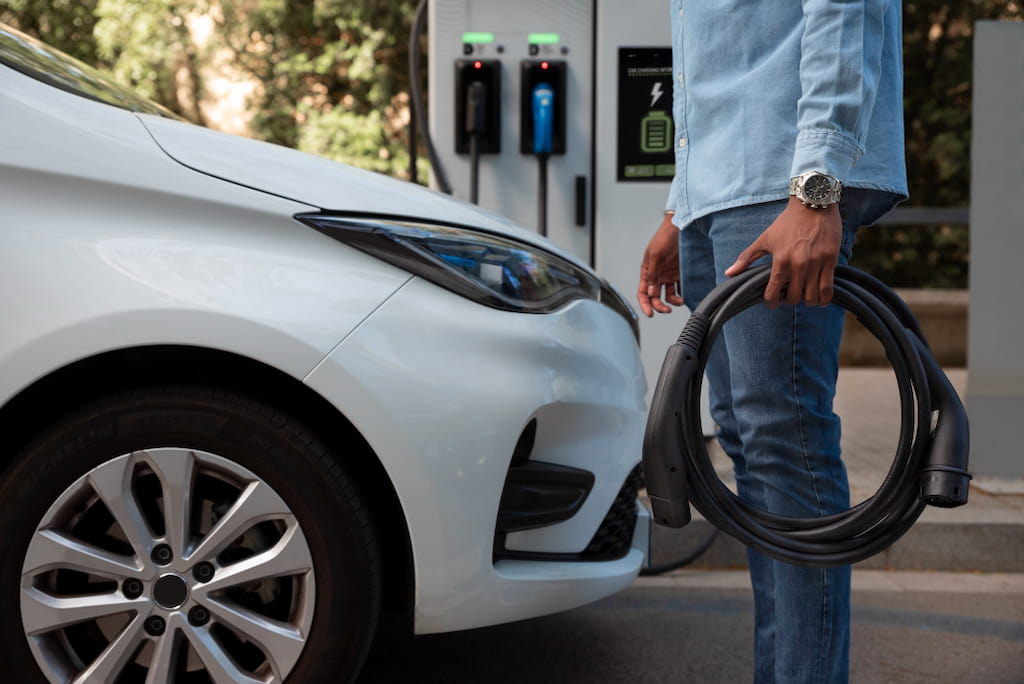
Electric mobility is transforming the way we travel. More and more people are opting for electric vehicles, but this is also giving rise to new requirements in terms of energy management. In this context, the load balancer is a key component in ensuring efficient, safe charging that is tailored to each environment.
If you are considering installing a charging point, it is important to understand how to optimise energy consumption right from the start. In fact, many advanced solutions for installation of recharging points already incorporate this type of technology to improve the overall performance of the facility.
What is a load balancer?
A load balancer It is an intelligent system that monitors electricity consumption and automatically distributes available energy among all connected equipment, including the electric car charger.
Its main function is avoid overloads, make better use of contracted power and keep the electrical installation stable.
In simple terms, if several appliances are switched on at the same time in a home or garage, the balancer adjusts the power allocated to the charger so that the available limit is never exceeded.
This allows the vehicle to be charged safely without power cuts or tripped breakers.
Imagine your home as a network where various electrical devices coexist. When they are all running at the same time, energy demand increases. The load balancer acts as an automatic regulator that adjusts consumption in real time, prioritising system stability.
Why is it so important when charging electric vehicles?
The rise in electric vehicles means a significant increase in electricity consumption in homes and communities. Without proper management, this can lead to problems.
Avoids electrical overloads
The system adjusts the charger's power output according to the installation's total power consumption.
Optimises your contracted power
It allows you to make the most of the available energy without needing to increase the power.
Reduces energy costs
By avoiding unnecessary peaks in consumption, efficiency is improved and bills are better managed.
Improves security
It protects the electrical installation against potential faults caused by excessive demand.
Types of load balancer
Not all systems work in the same way. There are different types depending on their level of automation:
- Static load balancer: It operates with a fixed power distribution. It is more basic and less adaptable.
- Dynamic load balancer: Adjusts power in real time based on consumption. This is the most efficient option and is recommended in most cases. For example, if you are cooking whilst charging your car, the system will temporarily reduce the charger’s power output to prevent you from exceeding your contracted limit.
Application in homes and communities
The location where the charging point is installed has a direct bearing on whether a load balancer is required.
In detached houses
Control is more straightforward, as it only takes into account the household’s own energy consumption. Here, the load balancer helps to optimise energy use without any complications.
In communal garages
The situation is more complex. Several users may be charging their vehicles at the same time, which significantly increases energy demand.
In such cases, specific solutions such as the installation of recgarging points in neighbourhood communities enable the integration of load-balancing systems that distribute power evenly amongst users, thereby preventing overloads and avoiding costly future upgrades.
Is it necessary to install a load balancer?
It is not obligatory in all cases, but it is highly recommended. Especially when:
- There are several simultaneous electricity consumptions.
- The contracted power is adequate.
- It is desired to avoid increasing the electricity tariff.
- More chargers are expected to be installed in the future.
- More efficient and automated recharging is sought.
In simple installations, it may not be essential, but as soon as there are several simultaneous loads or plans for expansion, using it makes a big difference.
Furthermore, an increasing number of chargers are incorporating this feature, reflecting its importance within the electric mobility ecosystem.
Practical example of how it works
To better understand how useful it is, let’s look at an everyday example.
You get home, plug in your electric car and, at the same time, use several electrical appliances. Without a management system, you could exceed your contracted power limit.
With a load balancer, the system detects the increased consumption and automatically adjusts the charger's power. When the other devices stop working, the power increases again.
It’s an automatic process that requires no user intervention. It’s as simple as charging your mobile phone whilst using other devices at home.
What are the benefits of a load balancer?
- Making the most of the available power
- Electrical risk reduction
- Medium-term financial savings
- Greater durability of the installation
- Preparing for future expansion
- Best daily charging experience
- Hassle-free automatic management
These advantages make it an essential component of any modern installation.
Integration into home charging solutions
When installing a charging point in a home, it is not simply a matter of plugging in a device. It is necessary to design a solution tailored to the user’s needs and the characteristics of the installation.
That is why, when planning a project for installing an electric car charger at home, it is fundamental to consider technologies such as load balancer, which allow for optimised consumption and guarantee an efficient user experience from day one.
Conclusion: an investment in efficiency and peace of mind
The load balancer is a key tool for ensuring that electric vehicle charging is safe, efficient and sustainable.
As the number of electric vehicles grows, so does the importance of managing the available energy effectively. Opting for this type of solution not only improves the present, but also prepares the facility for the future.
At Activacar, we design charging solutions tailored to each customer’s needs, incorporating advanced technology to ensure maximum performance and safety.
If you’re thinking of installing a charging point or upgrading your existing setup, our team can help you find the best solution.
Frequently asked questions about load balancers
What is a load balancer and what is it used for?
It is a system that distributes available energy in an electrical installation to prevent overloads, protect the installation, and optimise the charging of the electric car.
Does the load balancer affect the loading time?
It can temporarily reduce power when there are other active consumptions, but it improves overall efficiency and avoids interruptions.
Is it compulsory to install a load balancer?
Not always, but it is highly recommended, especially in installations with multiple simultaneous loads.
Can it be used in housing estates?
Yes, and in fact it is essential for managing the charging of several electric vehicles at the same time.
Does it help you save on your electricity bill?
Yes, by making the most of your contracted power supply and avoiding unnecessary peaks in consumption.