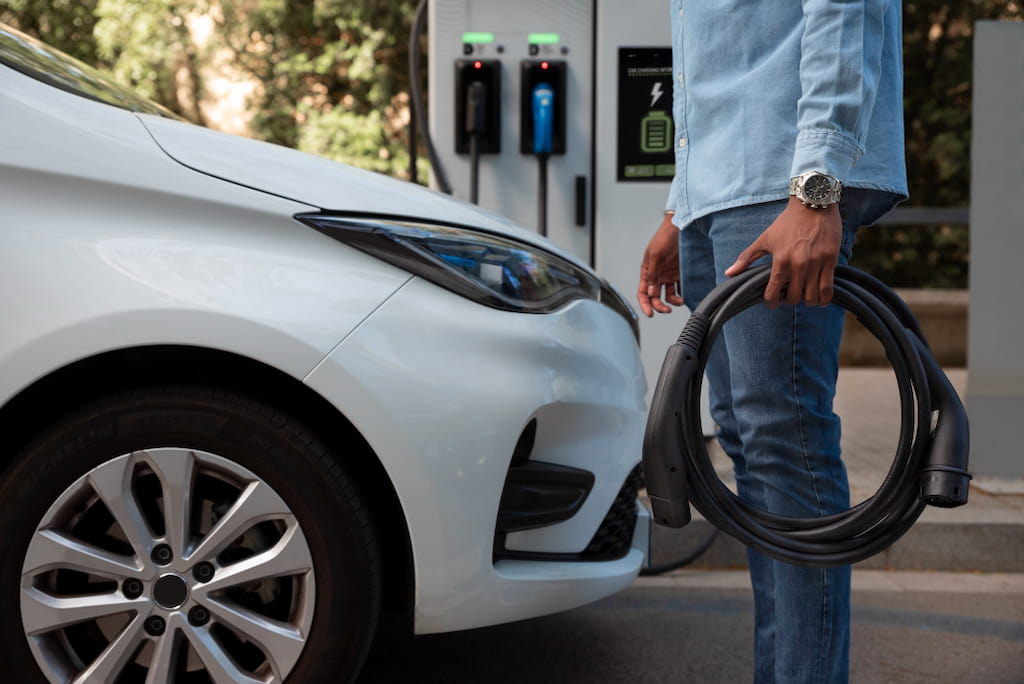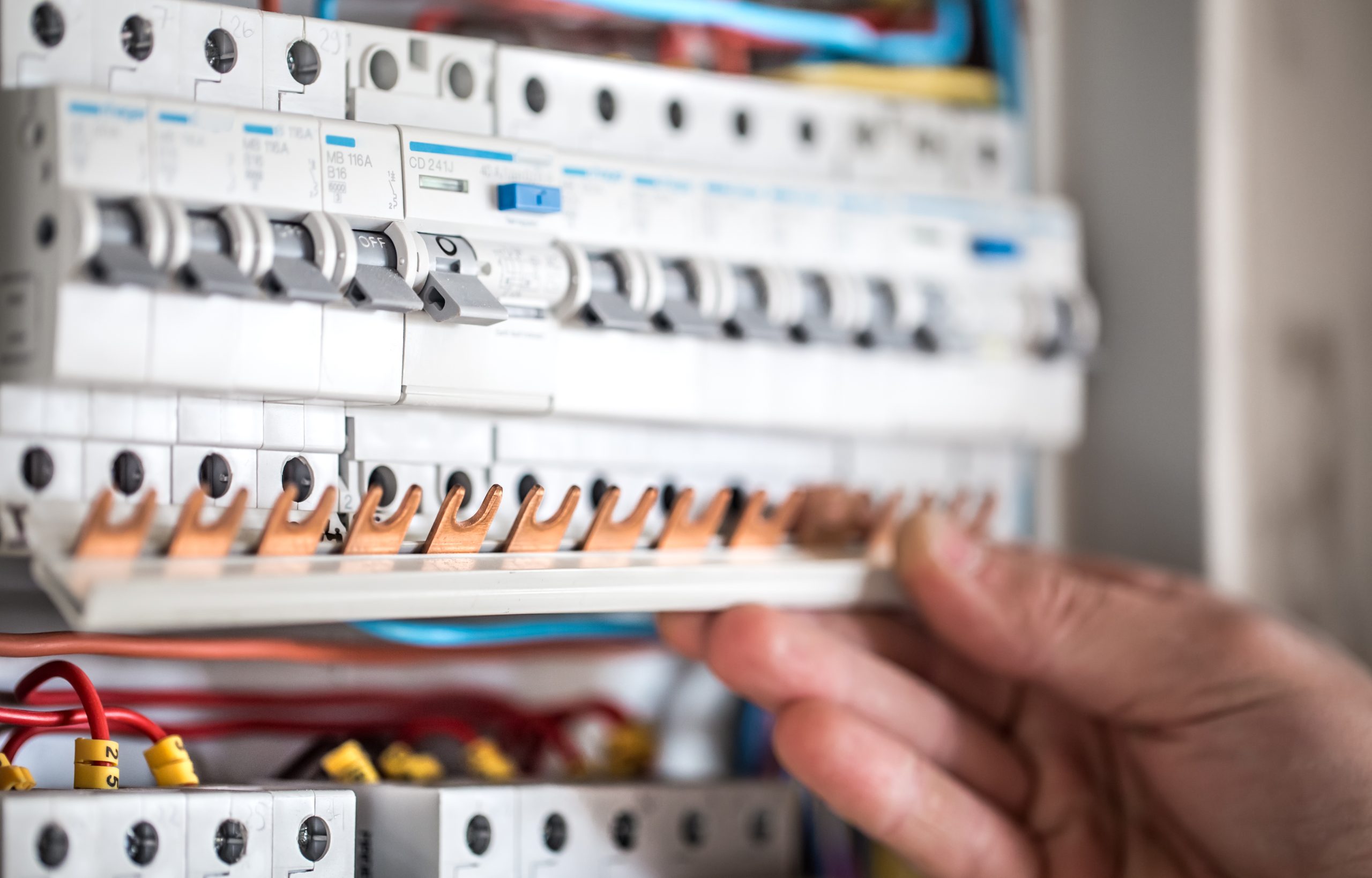
More and more people are installing an electric vehicle charger at home and asking the same question: can you increase your electricity capacity without an electrical certificate?
In many cases, yes, it is possible. But it depends on several factors: the age of the installation, the maximum power it can support, and the conditions set by the electricity distribution company.
If you have just bought an electric or plug-in hybrid car and want to charge it comfortably at home, you will probably need to increase your contracted capacity. After all, charging an electric vehicle works in a similar way to using several high-power appliances at the same time. And that is where the well-known electrical certificate, or CIE (Electrical Installation Certificate), comes in.
In this Activacar article, we clearly explain when you can increase your electricity capacity without an electrical certificate, when you will need one, and how to avoid problems when installing a charging point in your home or communal garage.
What does increasing your electricity capacity mean?
Your contracted capacity is the amount of power you can use at the same time in your home or business. It is measured in kW.
Think of it as the electricity limit your home can use at once. The more devices you connect, the more power you need.
For example:
- A standard home usually has between 3.45 kW and 5.75 kW.
- An electric car charger may require between 3.7 kW and 7.4 kW.
- If you connect several appliances at the same time, the ICP may “trip”.
And that is exactly when many people start considering increasing their electricity capacity.
Charging an electric car at home is as simple as charging a mobile phone: you arrive, plug it in, and let it charge overnight. The difference is that the car needs much more energy and for a longer period of time.
If you are thinking about the ev chargers instalation, it is important to first check the electrical capacity of the property.
Can you increase your electricity capacity without an electrical certificate?
Yes, you can increase your electricity capacity without an electrical certificate in certain situations.
You can increase your capacity without an electrical certificate if:
- The new capacity does not exceed the maximum allowed by your current installation.
- The electrical certificate is less than 20 years old.
- The distribution company does not detect any issues with the installation.
You will need a new electrical certificate if:
- You want to exceed the maximum authorised capacity.
- The certificate is more than 20 years old.
- The installation is old or does not comply with current regulations.
- The distribution company requests a technical inspection.
In other words: you do not always need to renew the electrical certificate, but it will depend on the specific situation of each property.
And this happens much more often than it may seem. Some relatively new homes allow you to increase the capacity without any problem, while in older properties it is advisable to update the installation before adding new power consumption.
How do I know if I need a new electrical certificate?
There are several ways to check.
Check your current electrical certificate
The CIE shows the maximum admissible capacity of your installation.
For example:
- If your certificate allows up to 9.2 kW and you currently have 4.6 kW, you could increase it to 7.4 kW without any problem.
- If the limit is 5.75 kW and you want to install a more powerful charger, you will probably need to update the installation.
Check with your electricity supplier or distribution company
The electricity supplier processes the request, but the company that actually validates the change is the electricity distribution company.
In some cases, even if the certificate is still valid, they may request an additional inspection.
Check the condition of the installation
Older homes often have electrical installations designed for much lower consumption levels. Years ago, no one was thinking about ceramic hobs, aerothermal systems, or electric cars.
Today, the situation has changed completely.
Increasing your electricity capacity to charge an electric car
This is where the most common question arises.
Many users buy an electric vehicle and then discover that their contracted capacity is not enough to charge the car comfortably.
And it makes sense. An electric car may charge for several hours while other household appliances are running at home.
How much power does an electric car need?
It depends on the charger and your daily use.
| Type of charging | Usual power | Recommended use |
|---|---|---|
| Slow charging | 2.3 kW | Occasional use |
| Basic wallbox | 3,7 kW | Standard homes |
| Fast domestic wallbox | 7,4 kW | Frequent use |
| Three-phase charging | 11 kW or more | Businesses or fleets |
Not all homes need to increase their electricity capacity. In many cases, good dynamic load management allows you to optimise consumption without making major modifications.
For example, some smart chargers can automatically reduce the vehicle’s charging power when they detect that the home is using more energy.
This prevents overloads and also helps you avoid paying more than necessary on your electricity bill.
At Activacar, we analyse each case to prevent you from contracting more capacity than you really need.
What happens if the electrical installation is old?
This is one of the most common problems.
Even if you can technically request more capacity, the distribution company may reject it if it detects safety risks.
Some common warning signs include:
- Old wiring.
- An obsolete electrical panel.
- Lack of modern residual-current protection.
- Installations without proper earthing.
In these cases, it is advisable to update the installation before installing the charger.
Because yes, saving money is important. But safety should always come first.
Costs of increasing your electricity capacity
Even if you do not need an electrical certificate, increasing your capacity involves regulated costs.
These usually include:
- Extension rights.
- Access rights.
- Connection rights.
The amount will depend on the additional kW requested.
That is why it is important to calculate the capacity you actually need correctly. Contracting more than necessary can increase your monthly electricity bill unnecessarily for years.
In many cases, a well-optimised installation allows you to save money without giving up convenient electric vehicle charging.
What happens in communal garages?
In residential communities, it is also possible to install individual chargers, and many owners need to increase their electricity capacity for this.
The advantage is that current regulations make the process much easier. In most cases, it is enough to notify the community about the installation.
However, each garage has its own particularities. A parking space near the meter is not the same as one located several floors below.
If you want to learn more about the full process, you can read our guide on how to electric car charger in a communal garage.
How to avoid problems when increasing your electricity capacity
The best way is to carry out a preliminary study of the installation.
At Activacar, we always recommend:
Analysing your real consumption
Charging a car occasionally at night is not the same as charging it every day.
Choosing a smart charger
Smart chargers automatically adjust the available power to prevent overloads.
Checking the installation before contracting more capacity
Sometimes a small electrical improvement can prevent higher costs later on.
Choosing scalable solutions
Many homes will eventually add more electrical consumption: aerothermal systems, solar panels, or even a second electric vehicle.
Thinking in the medium term makes all the difference.
Is it mandatory to update the electrical certificate to install a charger?
Not always. In fact, many modern domestic installations allow you to install a wallbox without renewing the CIE.
However, each case should be assessed individually.
If you are thinking about install a home charging point, the best option is to carry out a technical assessment first to find out:
- Whether you need more power.
- Whether you can increase your electricity capacity without an electrical certificate.
- Which type of charger best suits your needs.
- How to optimise your electricity consumption.
The growth of electric vehicles is changing energy needs
Electric mobility is no longer a future trend. It is a reality.
More and more homes need to adapt their electrical installations to new consumption habits. This means understanding concepts such as contracted capacity, electrical certificates, and charging capacity more clearly.
The important thing is not just to install a charger. The important thing is to do it safely, efficiently, and with the future in mind.
Because, in the end, the convenience of getting home and charging your car while you sleep completely changes the electric driving experience.
Conclusion on increasing electricity capacity without an electrical certificate
So, can you increase your electricity capacity without an electrical certificate?
Yes, in many cases it is possible, especially if your installation is relatively recent and you do not exceed the maximum authorised capacity.
But every home is different. That is why, before requesting a capacity increase or installing a charging point, the best option is to get professional advice.
At Activacar, we help you analyse your installation, choose the best charging solution, and adapt your home or garage to electric mobility safely and efficiently.
Want to know if your installation allows you to increase capacity without an electrical certificate? Contact our team and we will advise you with no obligation.
Frequently asked questions about increasing electricity capacity without an electrical certificate
Can I increase my electricity capacity without an electrical certificate for an electric car?
Yes, as long as you do not exceed the maximum capacity allowed by your installation and the electrical certificate is less than 20 years old.
When do I need a new electrical certificate?
When the installation is old, you want more capacity than allowed, or the distribution company requests a technical inspection.
How much does it cost to increase electricity capacity?
It depends on the additional kW contracted and the regulated charges applied by the distribution company.
Is it mandatory to increase capacity to install a charger?
Not always. Some smart chargers allow you to optimise consumption without needing to increase capacity.
How much power do I need to charge an electric vehicle at home?
The most common range is between 3.7 kW and 7.4 kW, depending on the vehicle and daily use.